
The Roaster’s Dilemma: Relationship vs. Quality in Green Coffee Sourcing
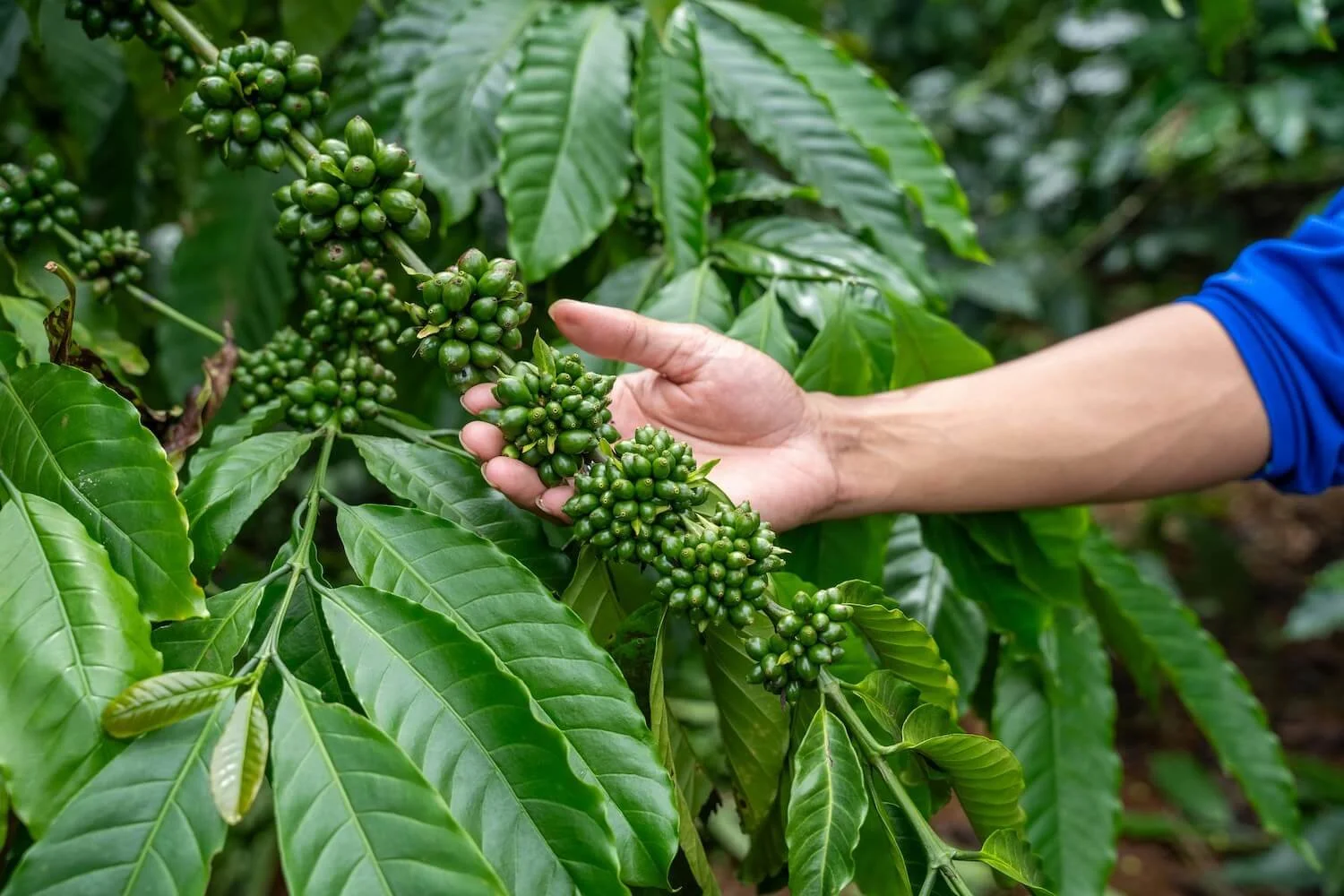
Let‘s start with the ideal. A coffee so vibrant and complex it stops you mid-sip. Grown by a farmer you know by name, on land you've walked, whose children you've watched grow. The relationship is genuine. The quality is exceptional. You buy the coffee, year after year, and everyone benefits.
That's the promise at the heart of specialty coffee. It‘s also, if we're honest, a bit of a fairy tale.
The reality for small roasters—the nano-roasters and micro-roasters producing under 100,000 pounds annually—is far messier. What happens when your trusted partner has an off year? What do you do when an incredible new lot appears that outshines everything your long-term grower can offer? When you don't have the buying power of the industry giants, how do you choose between honoring a relationship and pursuing quality?
This isn't an academic question. It's a defining business and ethical struggle that plays out in roasteries like ours every harvest season.
The Relationship Pillar: Stability, Trust, and Real Impact
Xavier Alexander, co-founder of Chicago's Metric Coffee, puts it bluntly: "Coffee can't be cheap. It can't be treated as a pathway for roasters and cafés to earn high margins off the backs of producers." His company, a B Corp with no outside investors, has built its entire model around direct relationships with producers, publishing transparency reports that detail exactly what farmers are paid.
For a small roaster, a genuine, multi-year relationship with a producer may be your most powerful form of influence. You can't offer the volume that drives down logistics costs—shipping even a few 150-pound bags can add nearly ten dollars per pound once transport is factored in. But you can offer something else: stability.
The benefits of long-term purchase contracts for farmers are tangible. Price predictability allows them to invest in farm improvements. Consistent communication builds trust. And when catastrophe strikes—like the coffee leaf rust outbreak that devastated Central American farms in 2012—those relationships can determine whether a farmer rips out diseased trees and rebuilds, or walks away entirely.
Research from Fairfield University, which involved interviews with more than 20 local coffee roasters, found that "many of these roasters prioritize relationships with their coffee growers" above other considerations. That's not just sentimentality. In a market where producers face weak bargaining power and opaque price transmission, knowing there's a buyer who will show up next year matters enormously.
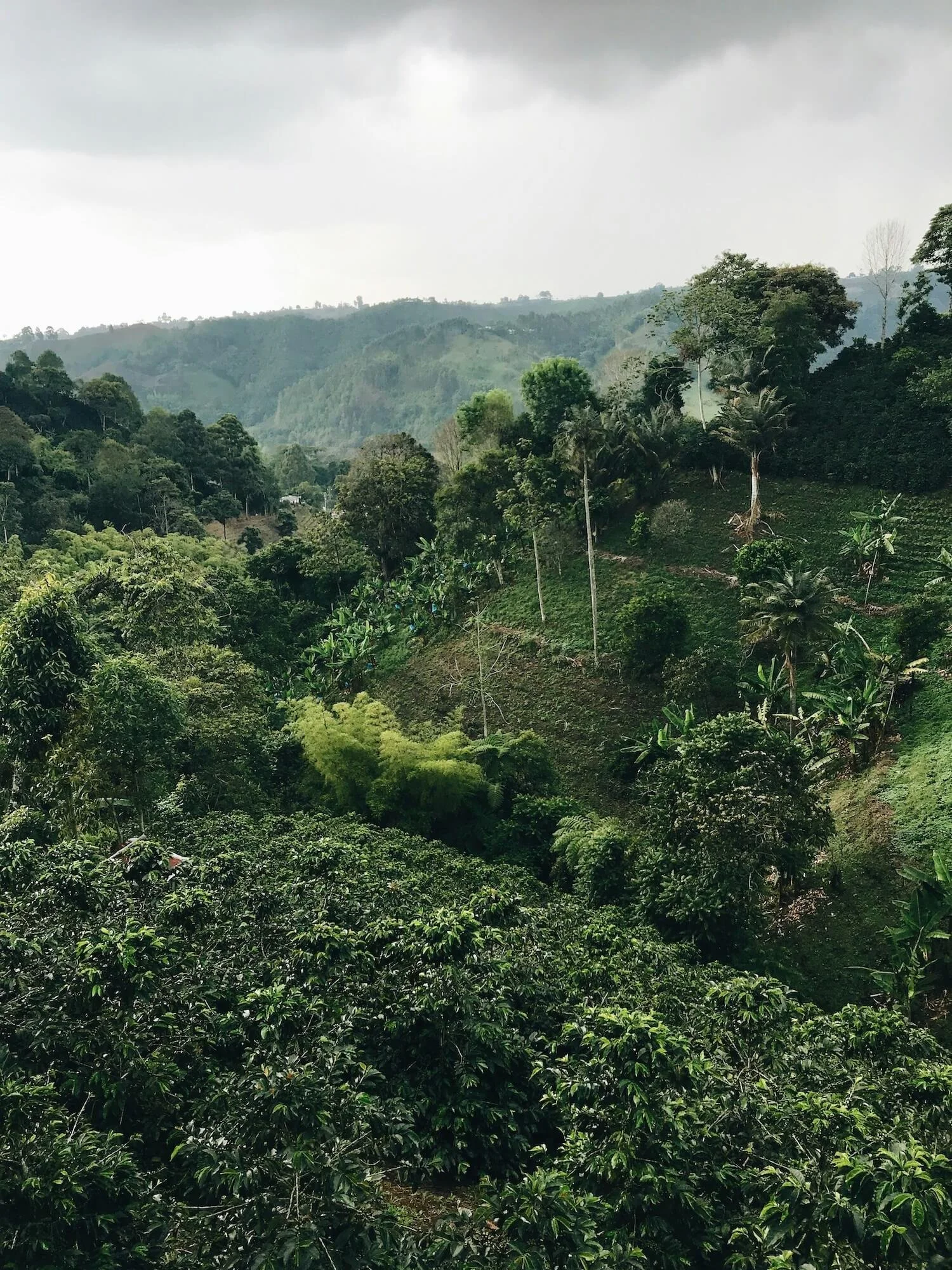
The Quality Pillar: Excellence, Brand Integrity, and Market Reality
Here's the counterargument, and it's equally valid: you're a specialty coffee roaster. Quality is not optional. It's the entire reason for your existence.
When Counter Culture Coffee's quality director, Tim Hill, reflects on the emergence of microlots and direct trade a decade ago, he describes it as revolutionary. "Sellers and buyers working in partnership pushed specialty into a realm that no one had imagined possible in terms of scarcity, flavor, quality, and value."
But that revolution created new expectations. Today's third-wave coffee drinkers have been trained to seek out specific farms, processing methods, and flavor profiles. They can taste the difference between a washed Yirgacheffe and a natural-processed Guji. And if your coffee doesn't deliver, they'll find someone else's that does.
This puts roasters in a difficult position. Blindly accepting lower-quality coffee from a partner—even out of loyalty—can erode the trust you've built with your own customers. It can also, paradoxically, undermine the very market for quality that you and your producer partners are trying to build. As Kyle Tush, coffee buyer for Counter Culture Coffee, notes, his work centers on "finding the ever-shifting balance point between quality and sustainability—one that benefits all parts of the value chain." That balance point isn't fixed. It shifts with every harvest.
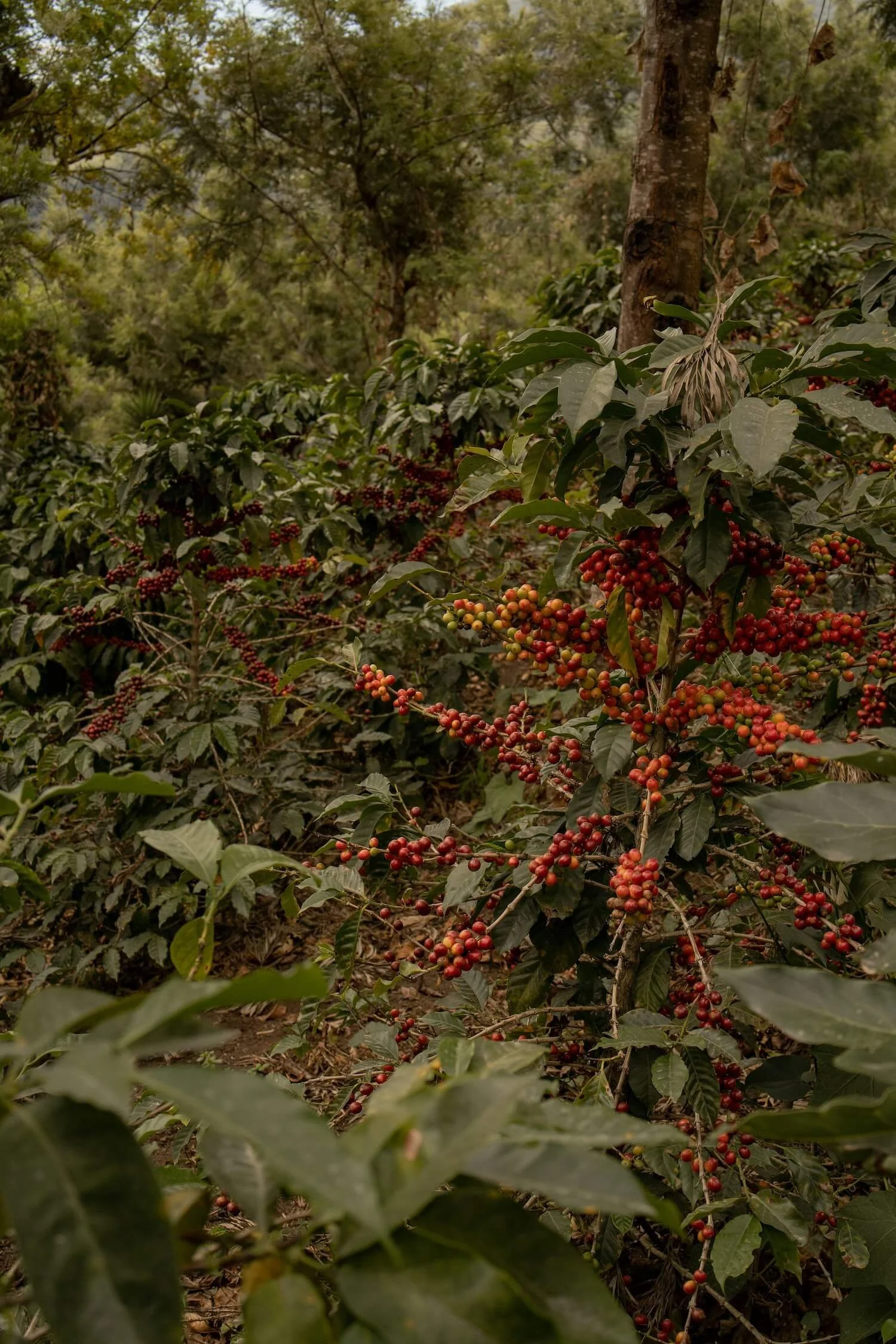
When Pillars Collide: Scenarios You Actually Face
Let's make this concrete. Here are two scenarios that every small roaster eventually encounters.
Scenario 1: The Off Year
Your long-term partner in Colombia sends samples of this year's crop. The cupping scores are lower—not dramatically, but noticeably. The flavor profile is muddier and less vibrant than previous years. Climate stress, maybe, or processing inconsistencies. Do you buy it anyway? At the same price? A reduced price? And how do you have that conversation without damaging a relationship built over years?
This is where the academic research gets uncomfortable. A major study of the Honduran coffee supply chain found that the farmer-intermediary relationship had the highest proportion of negative outcomes in the entire value chain—52% of studies highlighted negative impacts, with limited bargaining power for farmers as the primary concern. But here's the twist: the same research noted that intermediaries are perceived as stable partners who maintain long-term relationships with farmers. Stability and equity don't always align.
Scenario 2: The Rising Star
You cup an experimental microlot from a producer you've never worked with before. It's extraordinary—eighty-eight points, maybe higher, with flavor notes that stop you in your tracks. The price is premium but justified. The problem? Buying it means diverting funds from your long-term partner, whose coffee is good but not this good. What do you tell them?
This is the tension that anthropologist Edward Fischer explores in his study of Maya farmers in Guatemala. Fischer argues that the shift to "third wave" ultra-specialty coffees—with their emphasis on highly localized origin stories and direct relationships—has actually tended to leave smallholder farmers behind. The cultural capital required to compete in this market segment is more abundant among the owners of mid-sized estates. The very system designed to reward quality can exclude the people who need it most.

The Art of the Conversation: Navigating the Gray Area
If there's no perfect answer, there are better and worse ways to navigate these dilemmas. Based on interviews with roasters, importers, and producers, here are the principles that matter.
Lead with transparency. When quality deviates, share the data. Cupping scores, defect counts, specific flavor notes. Depersonalize the feedback. Frame it as a shared problem: "The coffee isn't performing the way we both want it to. How can we work together to understand why?"
Explore partial solutions. Can you buy a smaller portion of the coffee this year, maintaining the relationship while protecting your quality standards? Can you collaborate on processing experiments for next season? Can you offer feedback that helps the producer improve?
Consider tiered pricing. Some roasters structure contracts that allow for price flexibility based on objective cup score bands. This protects both parties—the farmer gets a guaranteed buyer, but the price reflects the actual quality delivered.
Invest beyond the transaction. Relationship isn't just about writing a check every year. It's about sharing cupping feedback, funding specific farm improvements, pre-financing a harvest, or simply showing up for conversations when there's no coffee to buy. As Shauna Alexander of Stumptown Coffee put it after a major impact assessment of their direct trade program: "Impact doesn't come from paying a good price once. Impact comes from long-term commitment, consistency, and volume growth over time."
A Framework for Small Roasters: The "Core and Explore" Model
So what does a sustainable sourcing strategy actually look like for a roaster without massive buying power? Here's a framework that works.
1. Build a "core" portfolio of relationship coffees.
Identify one or two producers or cooperatives you're genuinely committed to. Visit if you can. Communicate regularly. Buy from them every year, even when the coffee isn't absolutely perfect. These are the coffees that anchor your brand and tell your story.
2. Allocate an "Explore" budget.
Set aside a portion of your purchasing budget—maybe twenty percent—to chase exceptional quality wherever it appears. New producers, experimental microlots, and Cup of Excellence winners. This is how you push your quality ceiling and discover future core partners.
3. Be transparent with everyone.
Tell your core partners that you're experimenting with other origins. Tell your customers which coffees are long-term relationships and which are limited discoveries. Transparency builds trust in both directions.
4. Partner smarter, not just directly.
Let's be realistic: for most small roasters, direct imports remain financially out of reach. High shipping costs, complex logistics, and cash-flow constraints make it unsustainable. But that doesn't mean you can't have relationship-based sourcing. Work with importers who share your values, who can aggregate volume while maintaining traceability. As one roaster noted, "Larger importers will bring in coffee for you if it's from an area they already work in. They charge a small percentage to warehouse and import, which is a much better option."
Conclusion: The Long Game in a Short-Term World
Here's what we've learned after years of navigating these choices.
There is no perfect system. Direct trade can empower producers—or bypass them. Long-term relationships can provide stability—or become excuses for accepting mediocrity. Quality premiums can reward excellence—or create winner-take-all markets that exclude the farmers who need support most.
What matters is intentionality. Every purchase you make is a vote for the kind of coffee industry you want to exist. If you buy only on quality, you risk becoming just another buyer in a commodified market. If you buy only on relationship, you risk letting your own quality standards slip.
The most sustainable model is a portfolio: deep relationships that you nurture through ups and downs, supplemented by selective purchases that push your quality ceiling and introduce you to new partners.
For a small roaster, your superpower isn't volume. It's intentionality. You can make choices that reflect your values, communicate them clearly, and adapt as you learn. That's not a weakness. It's the only way this actually works.
Frequently Asked Questions
Q: Can a small roaster really have meaningful influence with coffee farmers?
A: Yes—through reliability and transparency. For a farmer, a small, consistent, and communicative buyer who shows up every year can be more valuable than a large, erratic one. Research shows that long-term relationships, even with smaller buyers, provide stability that allows farmers to invest and plan.
Q: Isn't it unethical to stop buying from a farmer because their coffee quality dropped?
A: It depends entirely on how you handle it. Abruptly severing ties without explanation is harmful. But honest communication about quality expectations, collaborative problem-solving, and exploring partial purchases can maintain the relationship even during difficult years. The goal should be improvement, not punishment.
Q: How do you measure quality objectively in conversations with producers?
A: Use shared language: standardized cupping scores (like the 88+ point system), defect counts, and specific flavor notes. Third-party scoring or collaborative cuppings with the exporter or producer can depersonalize the feedback. The key is framing it as a shared challenge rather than a rejection.
Q: What if I can only afford one sourcing approach as a new roaster?
A: Start with relationships, but build them wisely. Find one or two importers known for both quality and integrity, who can provide traceability without requiring you to manage complex logistics. Build from there. Consistency and trust will serve your brand better than chasing one-off "wow" lots without a supporting story.
Q: How do the 88+ point coffees like those in Cognoscenti's Colombian Box Set fit into this framework?
A: Coffees scoring 88+ points represent the quality pinnacle—the "explore" side of the Core and Explore model. These are exceptional microlots that push your quality ceiling and introduce you to new producers. The goal is to build relationships with producers of this caliber over time, potentially moving them into your core portfolio as trust and consistency develop.